
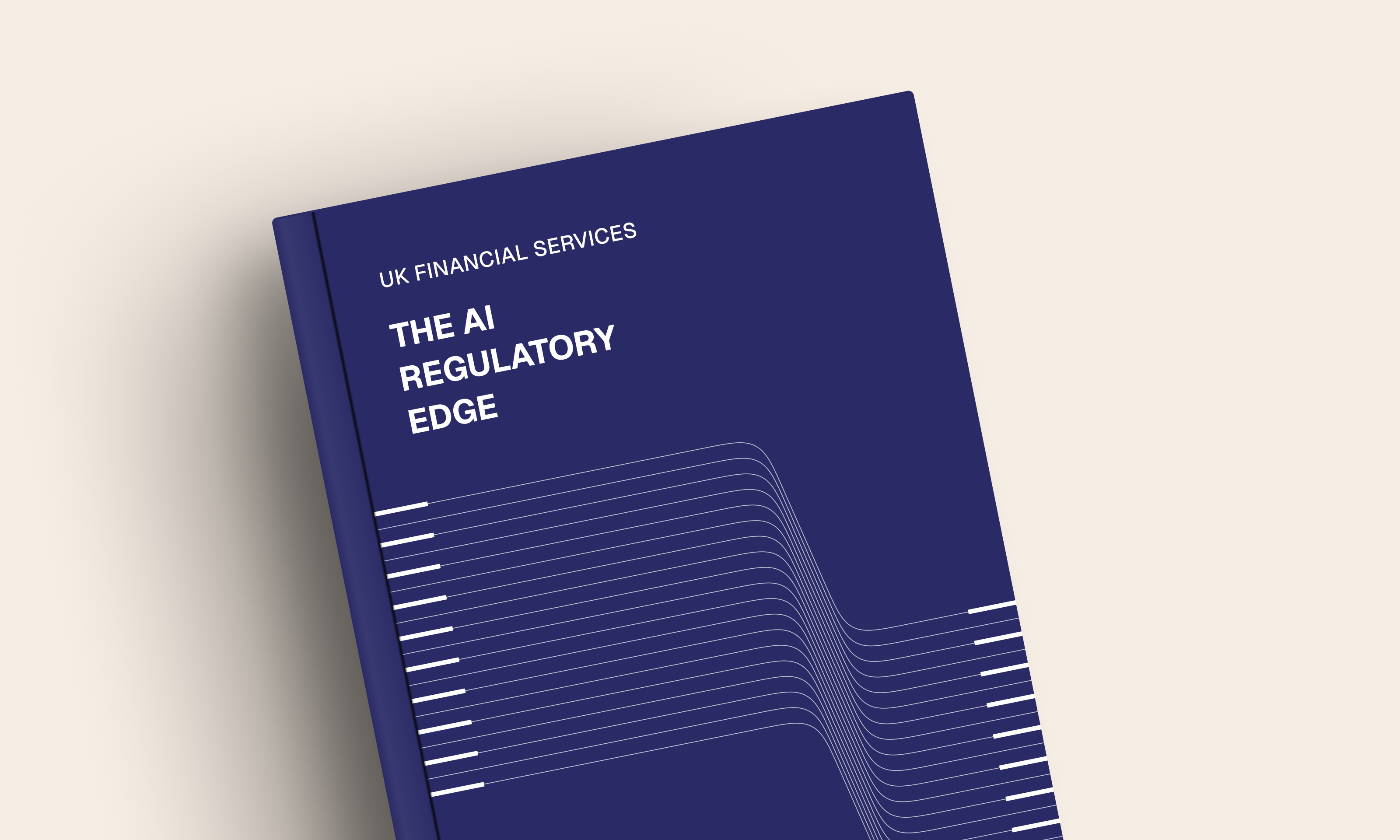
Zango has published The AI Regulatory Edge, a report on how increasingly autonomous AI is changing the supervision of UK financial services. It covers twelve developments between May and September 2026, from the Financial Services and Markets Bill and the Mills Review to the Bank of England's Financial Stability Report and the FCA's frontier AI and cyber resilience review.
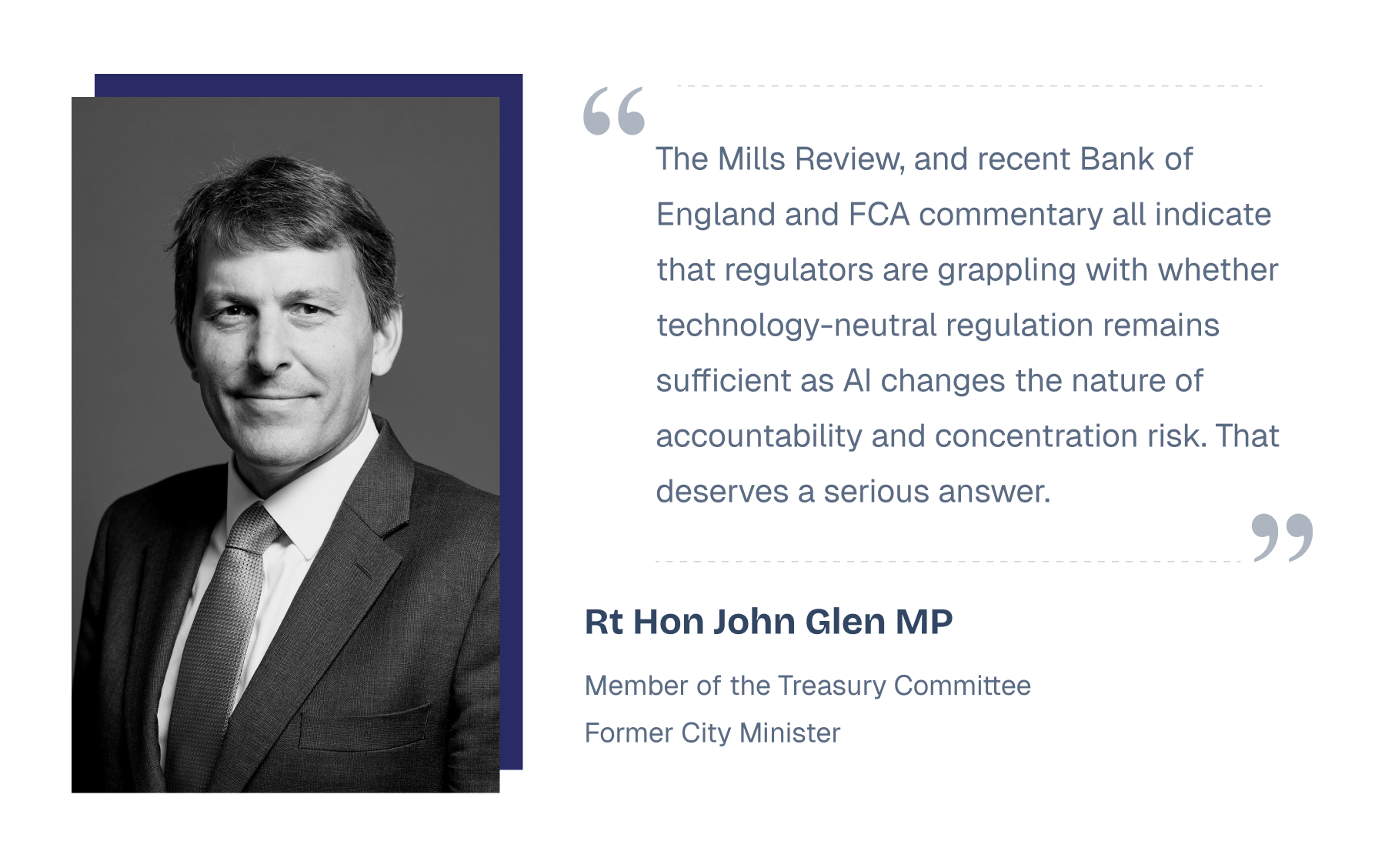
The foreword is written by the Rt Hon John Glen MP, member of the Treasury Committee and City Minister from 2018 to 2022. Commentary comes from senior compliance, legal and technology leaders across LaSalle, Galaxy, DNB, Lloyds Wealth, Goodwin and DWF.
Together, the twelve developments suggest supervision is becoming more continuous and more system-wide, and the assumption that a named individual makes and evidences each decision is under pressure. None of it yet amounts to a separate rulebook for AI. What is being examined is which parts of the existing framework, and the way it is supervised, need to evolve.
Key findings
- Technology-agnostic regulation may not hold: regulators are openly questioning whether increasingly autonomous AI may require more targeted rules that depart from the technology-neutral principle the UK framework has relied on.
- The human-decision assumption is under pressure: senior-manager accountability, human oversight and operational resilience were all built around people making individual decisions.
- Supervision is becoming continuous and system-wide: the Mills Review's agentic supervisory model and the FCA's readiness to use system-wide powers point the same way.
- Point-in-time sign-off no longer fits: firms will need new ways to evidence that oversight is meaningful and ongoing, rather than a moment of approval.
.png)