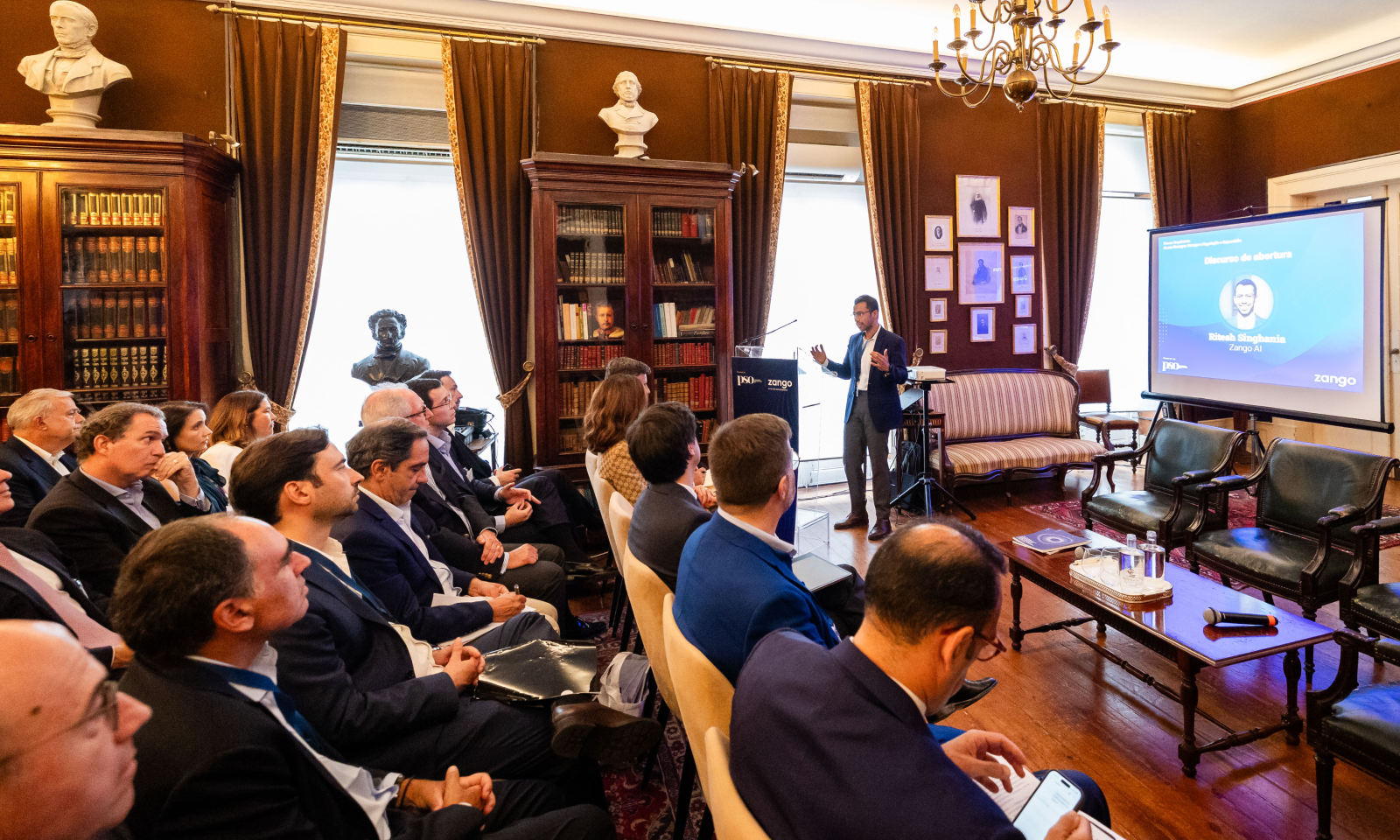
We sat down with Michael Phillips, Head of Legal at Lloyds Wealth and a contributor to The Future of AI Governance and Compliance in Financial Services research report, following the roundtable discussion at its launch in the House of Lords. Michael reflects on how client behaviour is changing faster than firms can respond, why hands-on experience matters more than theory, and why some of the industry's current thinking on AI governance may already be outdated.
1. AI activity is moving outside the regulated firm
Clients now carry AI in their pockets and can use it to do their own financial planning. That is potentially a good thing, but it also carries significant risk. The priority should be putting products in clients' hands that clients want to use and that are safe, and to do it fast enough to remain relevant.
2. Practical toolkits over working from first principles
Employees need easy-to-use, out-of-the-box AI tools to work through risk questions themselves. Those tools should give them enough confidence to build products that meet people’s needs without harming them. At the moment, firms are largely working out their approach from first principles or borrowing from other frameworks. That may produce innovation, but it is inefficient - whereas a toolkit approach gives people something they can use now.
3. Understanding AI risk starts with using AI
It is difficult to understand the risks of deploying AI in financial services without using it yourself. People need the time, space and permission to use AI in a safe way that will not affect clients or create regulatory exposure. That is how they learn what AI can and cannot do.
4. Some of today's governance thinking may already be outdated
Firms across the industry are in the same position. Even where their ideas differ, knowing that others are working through the same problem provides reassurance. Yet the technology itself may overtake debates about what the first and second lines do, or where monitoring ends and advice begins. Over the medium to longer term, the industry may need new ways of understanding the activity taking place. Collaborative discussion is how the field moves forward.