


Manuel Caldeira Cabral is a former Member of the Board of the Autoridade de Supervisão Financeira and Former Minister of the Economy of Portugal.
“The challenge for policymakers is not whether AI should be used in insurance, but how to ensure that it serves actuarial fairness, social fairness and consumer autonomy.”
— Manuel Caldeira Cabral, Former Member of the Board, ASF and Former Minister of the Economy of Portugal
Why adopting AI well is a trust challenge rather than a technology one, and how AI becomes the new gateway to financial information.
How AI narrows the scale gap for smaller managers, and why accountability for how products are represented cannot pass to the algorithm.
Where sharper risk pricing ends and revenue extraction begins, and why supervisors need their own analytical tools to tell the two apart.
The legal shift from approving one advertisement to governing a system, and why the AI Act applies alongside existing financial marketing rules.
What Portugal's tightened advertising regime demands of firms, and the safeguards AI review systems need before compliance can rely on them.
What changes when customers and insurers both use AI to write, and why disclosure alone settles none of the harder questions.
The case for a five lines of defence model, with controls embedded in processes and the board accountable under the EU AI Act.
How to build oversight before the rulebook arrives, using the finfluencer lesson, use case inventories and honest answers about shadow AI.
Why AI-mediated distribution breaks traditional marketing and compliance roles, and the mix of skills banks now need to build across teams.
Institutions run on trust that takes years to earn and seconds to lose. Personalisation alone does not build it. Customers also expect transparency, fairness, privacy and a person who is accountable for the outcome.
A single campaign to 100,000 customers can become 100,000 variations. Each may be factually accurate while differing in emphasis, in the features highlighted and in the prominence given to risk.
MiFID II, the IDD, PRIIPs and Portugal's domestic advertising rules apply exactly as before. The EU AI Act sits alongside sectoral regulation, cumulatively, rather than in place of it.
The fact that wording originated in a model does not answer whether the communication complies. The regulated institution remains answerable for what the customer is told, and for what the customer is led to perceive.
Compliance was built to review a fixed message before publication. Governing a system that generates content continuously calls for rules, controls, sampling methodologies and monitoring of the outcomes produced.
Marketing knows the channels but not the regulations. Compliance knows the rules but not the technology. Data teams know the models but not the customer impact. Capability building becomes a strategic differentiator.


Former Member of the Board, ASF, and former Minister of the Economy

CEO


Group Head of Compliance


Partner and Head of the Financial Services Department


CEO


CEO and Co-Founder


Country Senior Director


Programme Director


Director of the Business
Legal Department


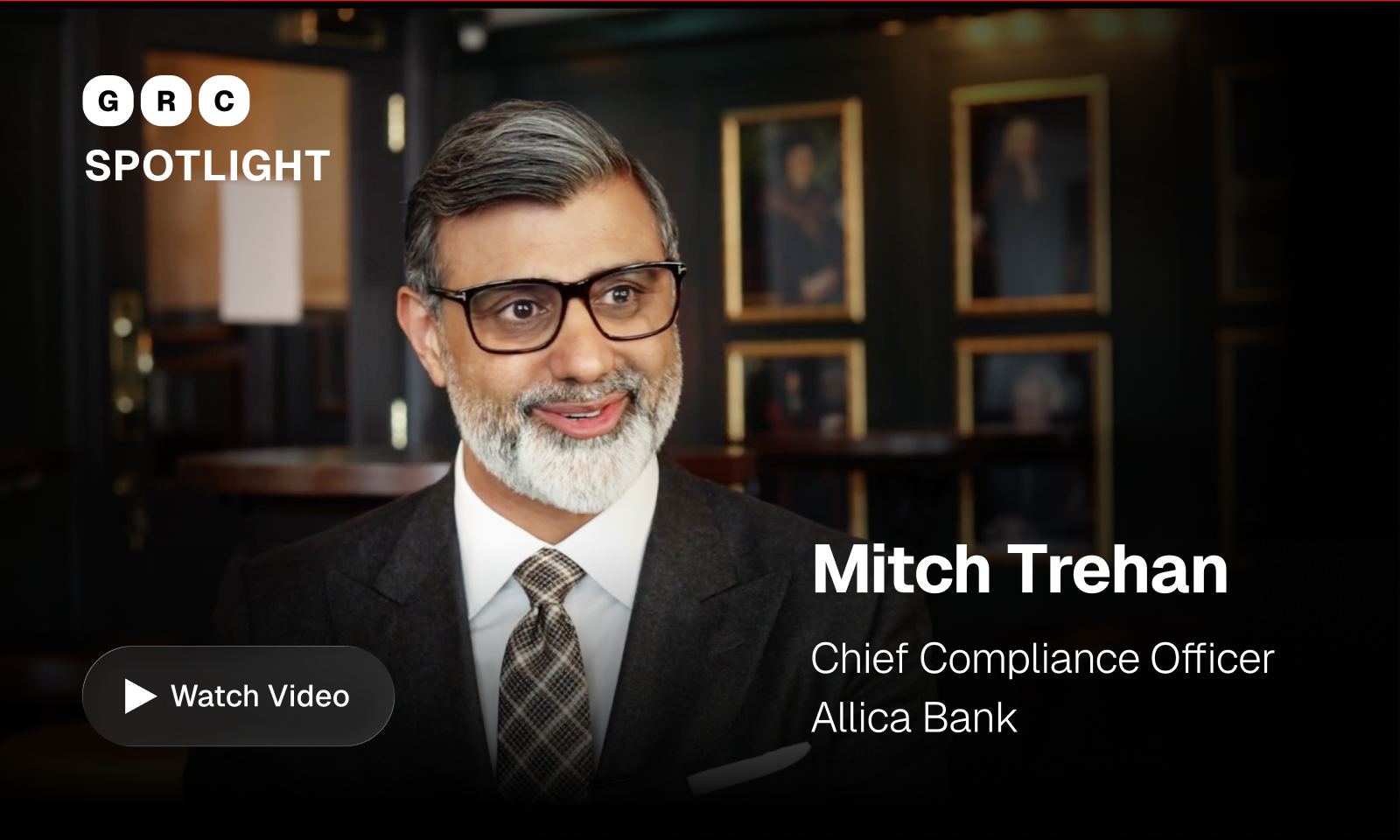
Chief Compliance Officer

The first line is adopting AI significantly faster than the second and third lines responsible for oversight.
Customers use AI to interpret policies, prepare complaints and compare products, while firms use it to analyse, draft and reply.
Frameworks are shifting from three lines of defence towards five, with the board holding ultimate accountability under the EU AI Act.
AI models learn continuously and may involve millions of parameters that conventional auditing cannot examine.