Draft for comment · October 2026

Regulatory Change Management with AI Agents

This draft white paper sets out how the traditional process of regulatory change is being transformed from one-off projects to a continuous process, run by AI agents. We are currently accepting comments from contributors to help shape the final version.
The regulatory change chain as most firms run it today

The cost of traditional regulatory change management and how hand-offs lose context

01

Publication

Regulator website, newsletter, law firm alert, industry forum

Items arrive through separate channels and can be duplicated or missed. Amendments can look like new requirements.
02

Read and summarise

One analyst reads the document and writes a summary in Word or email

Relevance is judged, but the reason for “not relevant” is rarely recorded.
03

Circulate

Distribution list, weekly regulatory update meeting, shared drive

Many people are informed, but no one is clearly responsible for acting.
04

Find an owner

Emails, calls, escalation when nobody accepts the change

Ownership takes time to resolve. Cross-cutting changes can fall between departments.
05

Assess impact

Spreadsheet mapping obligations to policies, processes and controls

Connections are rebuilt from scattered records and memory, and depend on the person doing the mapping.
06

Implement

Policy edits in Word, control changes, tickets, committee sign-off

Changes lose their link to the underlying obligation and the reasoning behind them.
07

Evidence and report

Updates assembled by hand for committee, board and regulator

The audit trail is reconstructed afterwards from emails, documents and meeting records.
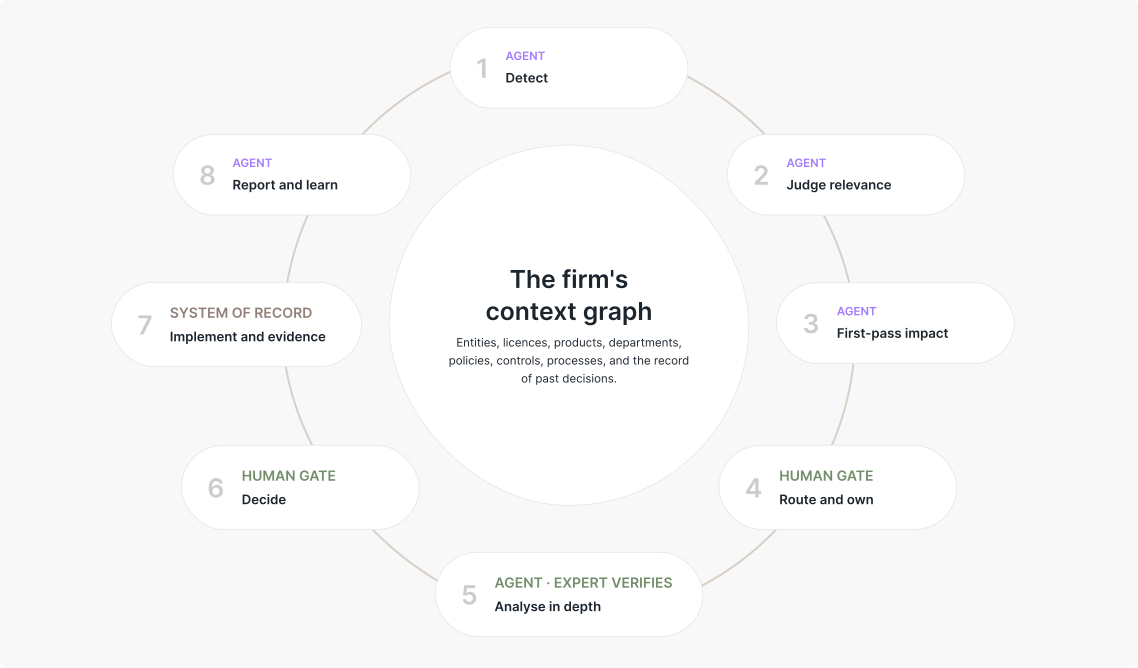
Regulatory change as a governed loop: agents carry context, humans decide, and each decision teaches the system
Why a loop and not a chain
A chain treats each regulatory change as a one-off project that ends when the committee signs. A loop treats the firm's understanding of itself as the asset. Each change refines that understanding, so the next change is assessed faster and more accurately.
Who does what
Agents do the volume work and present evidence, not conclusions.

Humans hold ownership, interpretation, risk acceptance and approval, at named gates.

The system of record stays put; the intelligence layer writes back to it.
What the loop produces
Three things a chain never does: a live register of obligations that updates when regulation changes, a policy and control library that shows its coverage against those obligations, and an audit trail that is generated rather than reconstructed.

Download Draft Whitepaper

57 pages · Draft for comment · For compliance, regulatory change and second line teams in financial services
Executive summary
Section 1 How regulatory change is managed today
Section 2 What AI has changed, and what it has not
Section 3 The context graph: the spine of regulatory change
Section 4 The operating model that replaces the chain
Section 5 How one regulatory change reaches the rest of the firm
Section 6 Where agents go wrong
Section 7 Governance that earns trust
Section 8 Implications for leadership
Questions to ask before using agents for regulatory change
Appendix. The questions, collected for a regulatory change RFP
Sources and further reading
Your information will be processed in accordance with our Privacy Policy.
Download your report. A copy is also on its way to your inbox.
Oops! Something went wrong while submitting the form.
✦ AI powered
Request for Comment
We welcome feedback on Zango AI’s forthcoming white paper, which explores how AI agents could transform regulatory change management in financial services, the role of the “context graph”, and the governance required.We would particularly welcome your views on:
  • Overall assessment
    Where do you agree or disagree with the paper’s arguments? What would you add or change?
  • The proposed approach
    Is the context graph a credible foundation for AI-enabled regulatory change management? What practical challenges might we have overlooked?
  • Governance and oversight
    Does the paper identify the right risks, controls and points for human oversight? What is missing?
Security shield icon - SOC 2 Type II and ISO 27001 certified
Online form

The form asks the three questions above and whether you would like to be named as a contributor. All questions are optional.
Open the online form
Access and identity management icon - role-based permissions and SSO
Email us

Send your comments, or a marked-up copy of the draft, to hello@zango.ai. Please include your name, firm and role, and let us know if you would like to be named as a contributor.
Email hello@zango.ai
1  Read the draft
Download the paper, or start with the executive summary on this page.
2  Send your comments
Answer the questions in our online form, or email hello@zango.ai. Comment on any section, or on the paper as a whole.
3  Be credited as a contributor
Reviewers whose comments shape the published paper are named as contributors, with their permission.
Interviews
Insights from leaders across AI governance and compliance
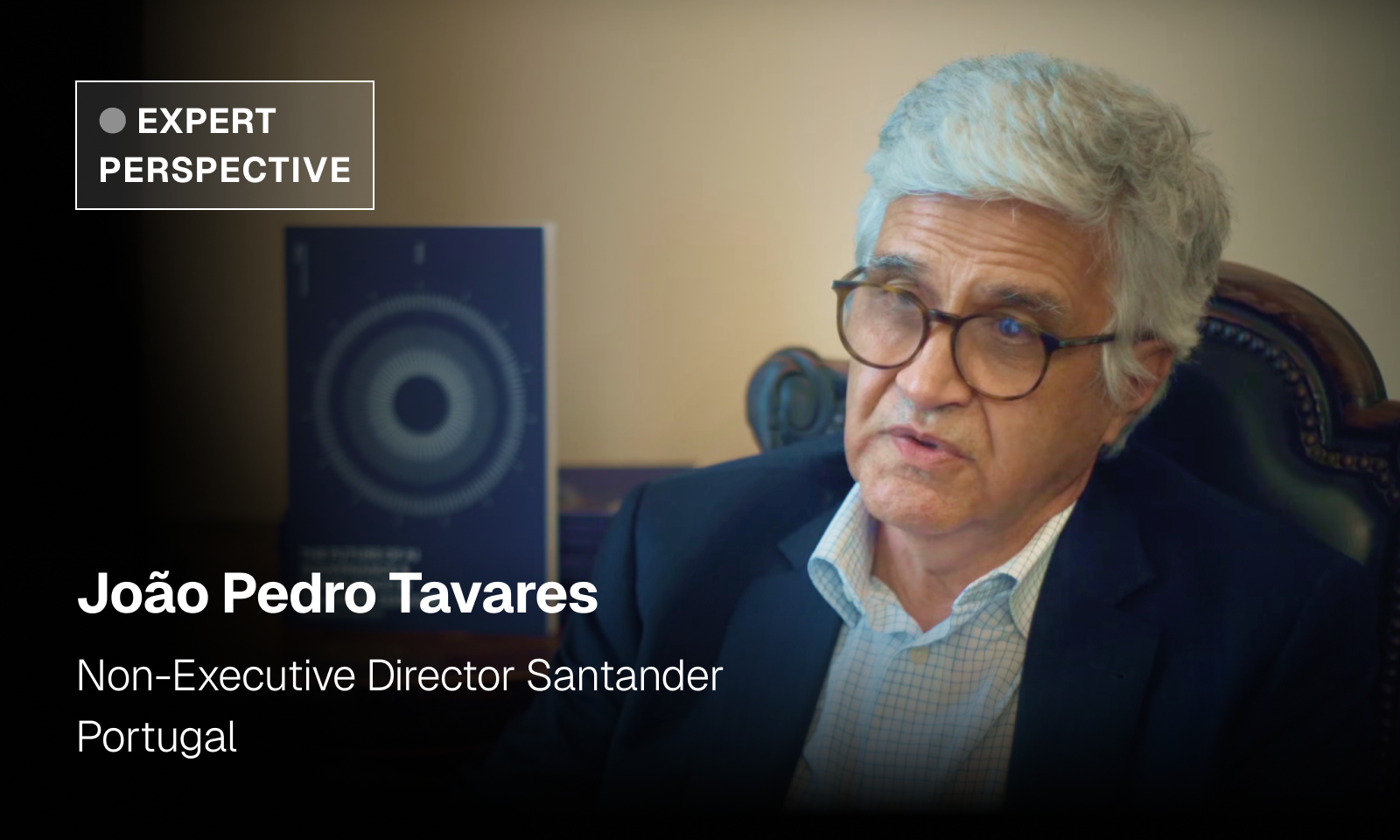
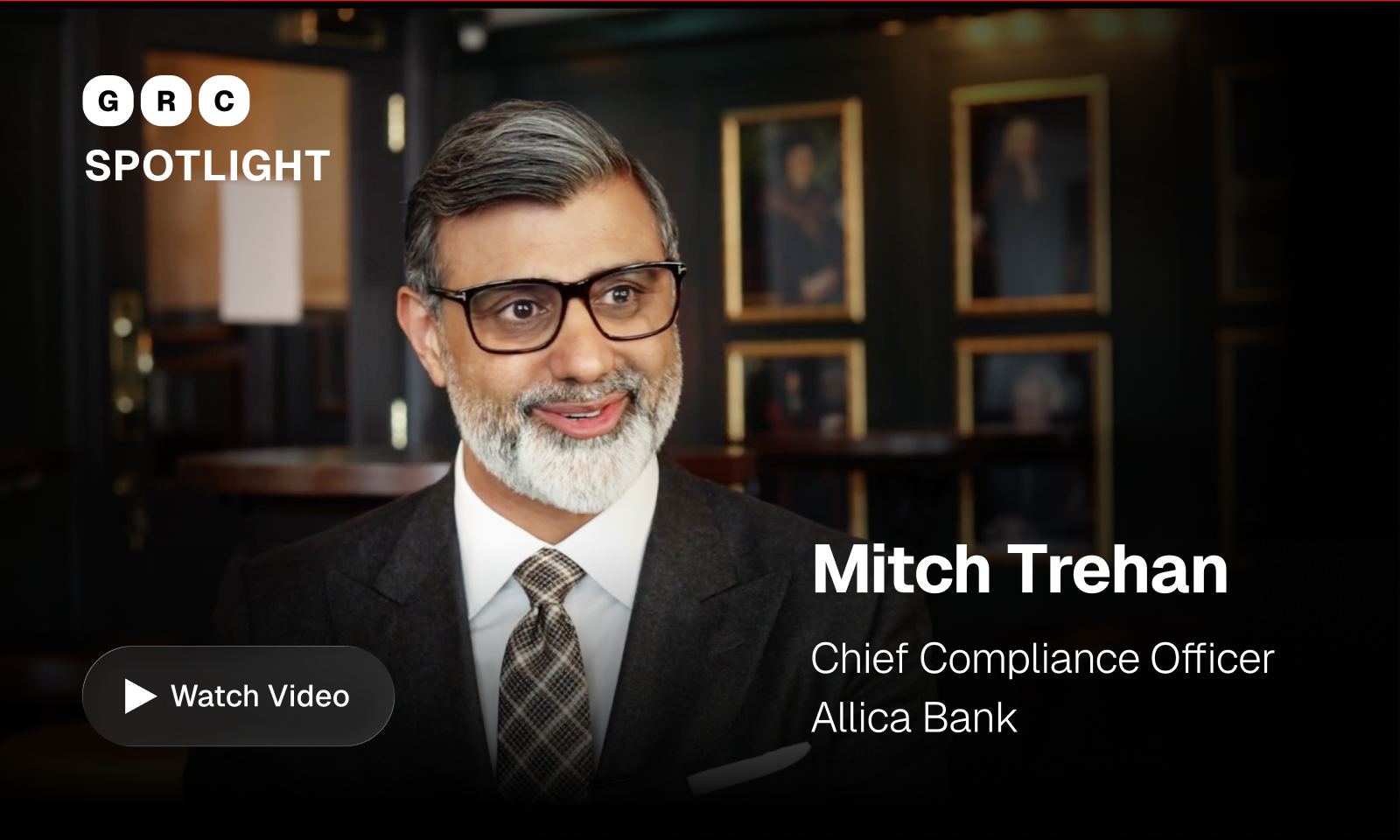
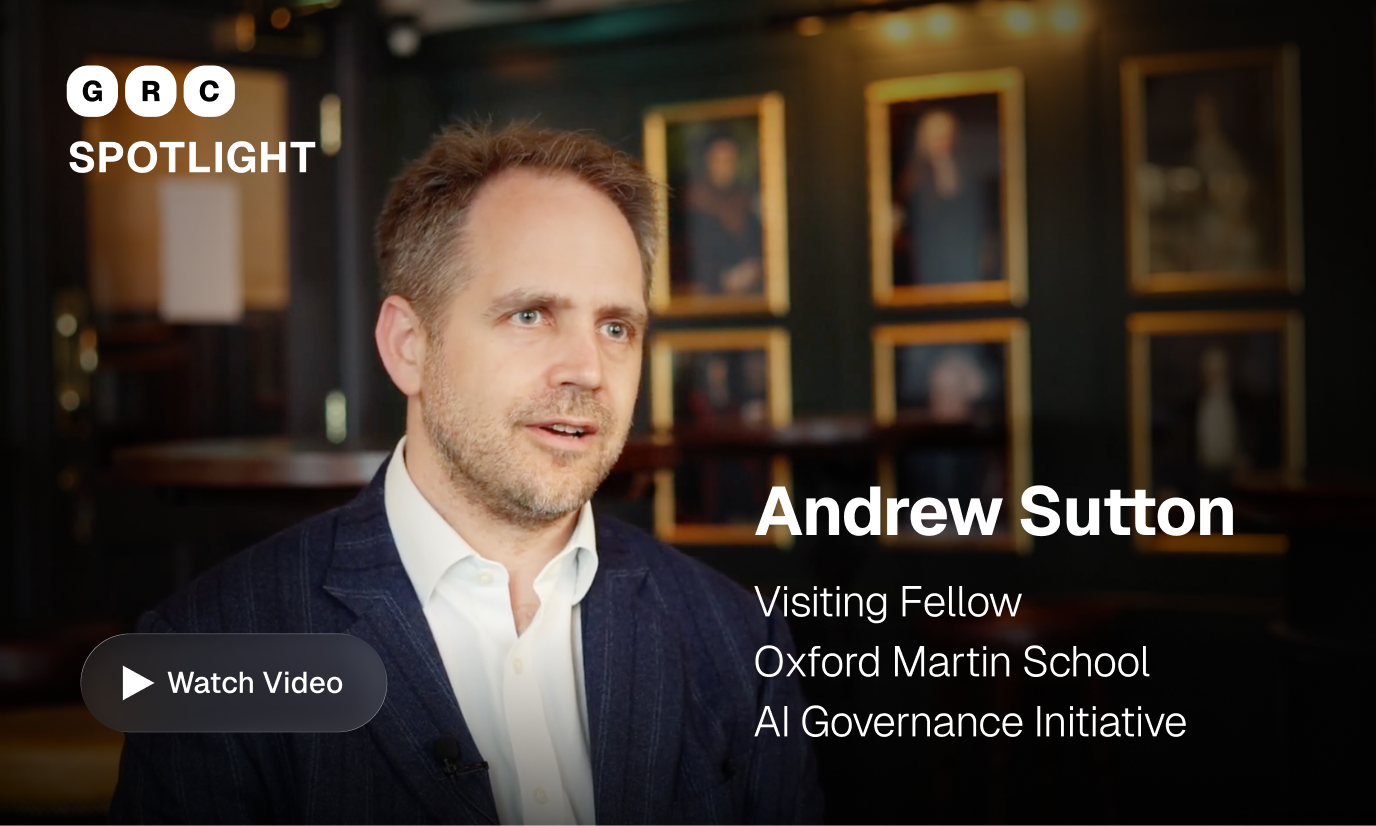
João Pedro Tavares, Non-Executive Director, Santander Portugal
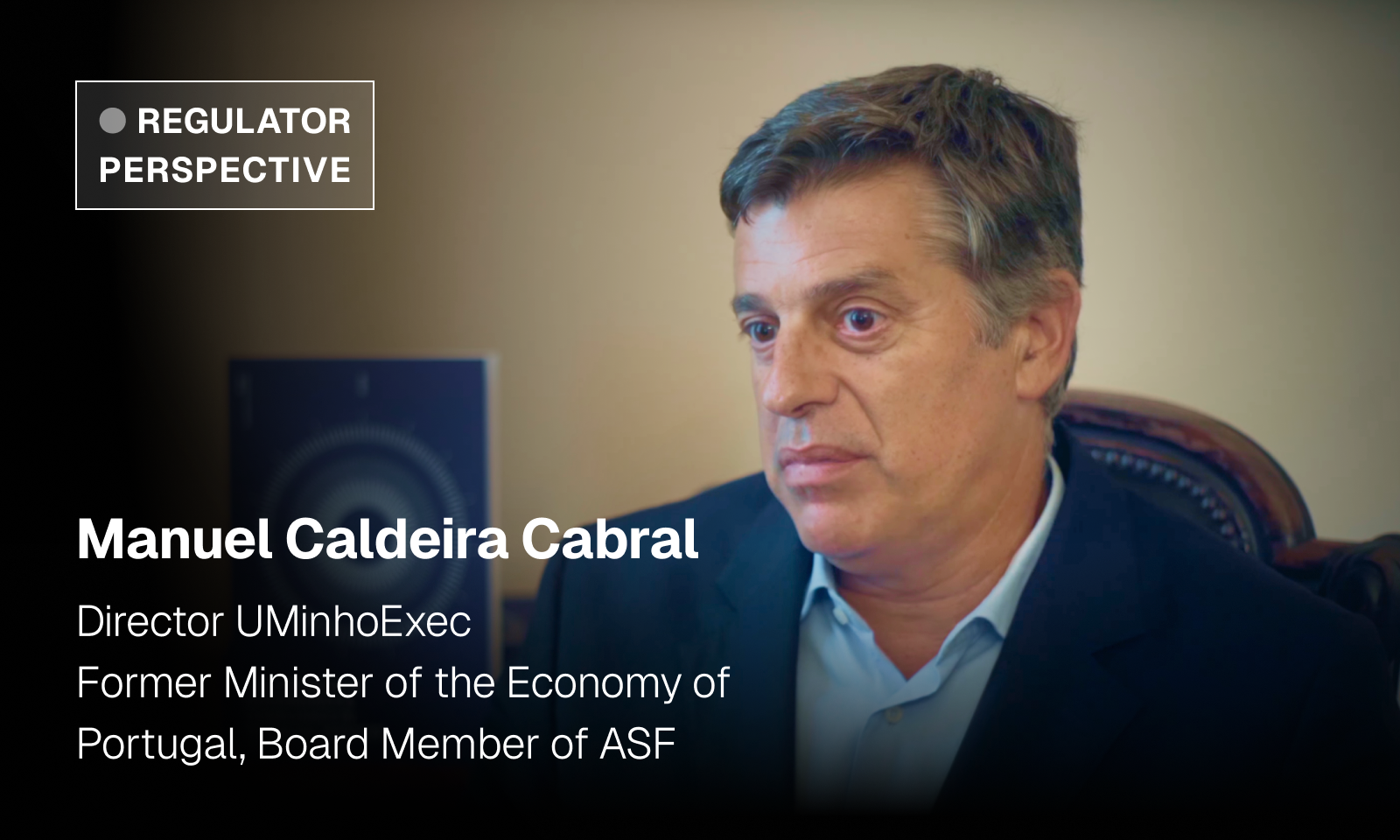
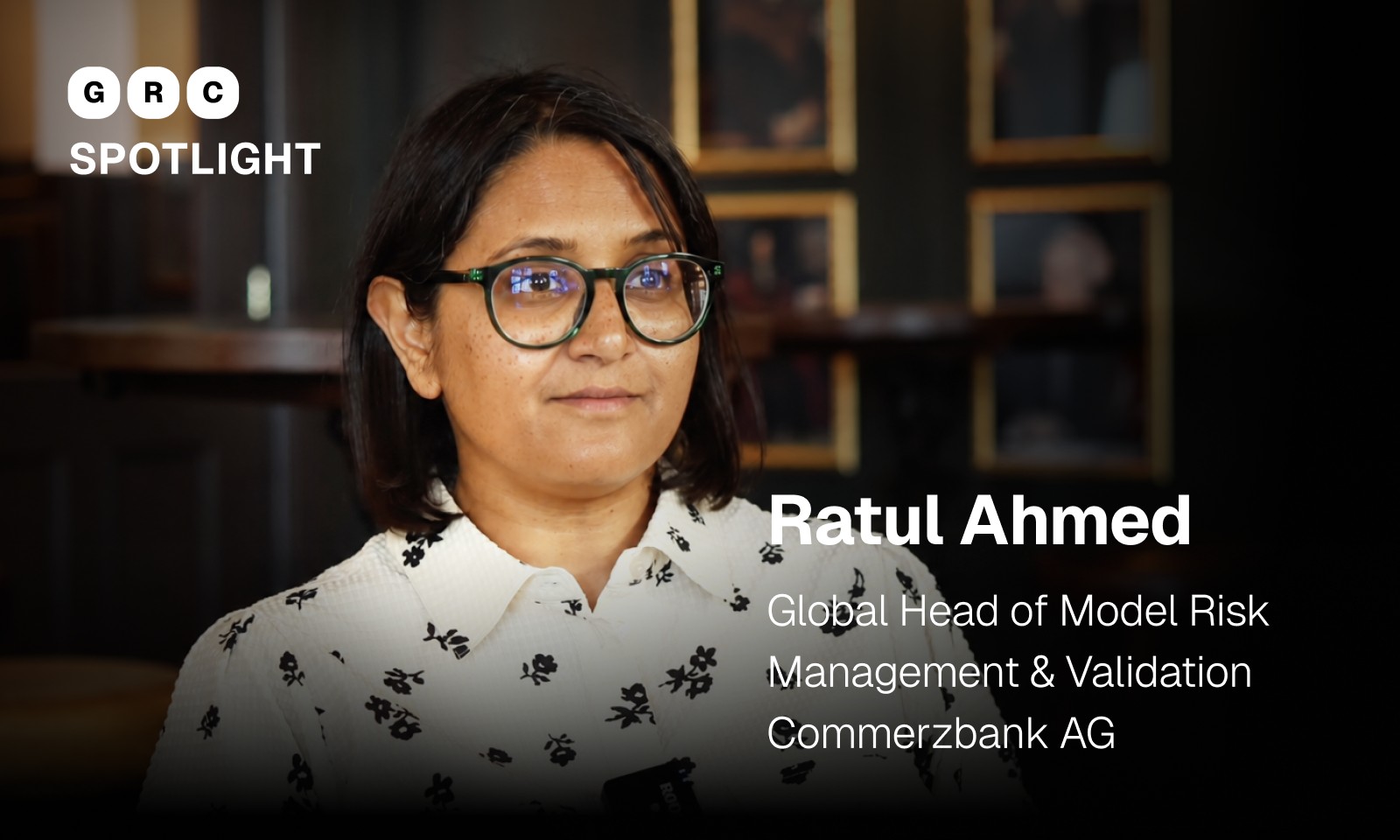
Manuel Caldeira Cabral, Director UMinhoExec, former Minister of the Economy of Portugal and Board Member of ASFRatul Ahmed, Global Head of Model Risk Management & Validation, Commerzbank AG
More conversations on the way
Subscribe and we will let you know the moment the next one goes live.
Thank you! Your submission has been received!
Oops! Something went wrong while submitting the form.